

When you’re considering dental implant treatment, it’s natural to wonder how long recovery will take and what happens after the procedure. The truth is that while dental implant surgery is classed as a minor surgery, the body’s healing process is highly detailed and unfolds in distinct stages.
Each stage plays a crucial role in ensuring the implant integrates properly with your jawbone and functions like a natural tooth. Understanding the dental implant healing stages can help you prepare for each step, follow your treatment plan, and enjoy a smooth, successful outcome.
What Dental Implant Surgery Involves
A dental implant procedure is designed to replace missing teeth by inserting a titanium implant into the jawbone, where it acts as an artificial tooth root. Depending on the number of teeth that need to be replaced, this foundation supports a dental crown, bridge, or denture.
The dental implant process generally includes a few important steps: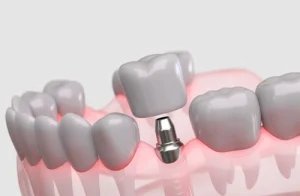
- Initial consultation: Your dentist evaluates your oral health, reviews your bone density, and discusses your treatment plan.
- Implant placement: During implant surgery, the titanium post is inserted into the jawbone while you’re under local anaesthesia.
- Healing and bone integration: The implant site heals as bone gradually fuses with the implant in a process called osseointegration.
- Abutment placement: Once healing is complete, a connector (abutment) is attached to the implant.
- Crown attachment: Finally, a custom dental crown or bridge is placed to complete the tooth replacement.
Although it sounds complex, most dental implants follow this same structure. The length of each phase of healing varies depending on your body, bone condition, and post-surgery care.
Stage 1: The Initial Healing Period (First Week After Surgery)
The first stage begins immediately after your dental implant surgery. During this time, your body’s natural defences work to protect the surgical site and begin tissue repair.
What Happens
- The dentist places the titanium implant into the bone beneath your gum tissue.
- A blood clot develops around the implant site and is vital for beginning the healing process.
- Your gum tissue begins to close around the area to protect it from bacteria and debris.
What You May Feel
It’s common to experience mild swelling, tenderness, or bruising during this phase. Any pain is usually manageable with prescribed pain relief or over-the-counter medication. Applying a cold compress intermittently can help reduce swelling.
Care Tips for This Stage
- Eat soft foods such as soups, mashed vegetables, yoghurt, and smoothies.
- Do not touch the surgical site using your fingers or tongue.
- Maintain good oral hygiene by gently rinsing with saltwater, but refrain from brushing directly over the area.
- Avoid smoking and alcohol since both can slow down healing.
This first stage usually lasts around 7 to 10 days, after which most people can return to their normal daily activities.
Stage 2: Early Bone Healing (Weeks 2 to 6)
Once the gum tissue begins to close, the next focus is the bone beneath. This is where your bone healing begins, laying the foundation for long-term stability.
What Happens
- The jawbone starts to form new bone cells around the titanium implant, anchoring it securely.
- The gum tissue continues to strengthen and tighten around the implant post.
- Any minor swelling or discomfort usually subsides during this time.
This process is crucial because it allows the implant to integrate naturally with your body. The stronger this integration, the lower the risk of implant failure later.
Care Tips for This Stage
- Continue following your dentist’s post-operative care instructions.
- Stick to a soft food diet, avoiding hard or crunchy foods that can strain the area.
- Keep practising proper oral hygiene to prevent infection.
- Attend any scheduled check-ups so your dentist can monitor progress.
This phase can last from two to six weeks, depending on factors like bone density, overall health, and how well you care for the implant.
Stage 3: Osseointegration (Months 2 to 6)
This is the longest and most important part of the dental implant healing stages. It’s when the bone growth around the implant becomes strong enough to support the new replacement teeth.
What Happens
- The bone and titanium implant bond together through a process called osseointegration.
- This creates a strong, stable base similar to a natural tooth root.
- The implant post placement becomes fully secure, ready to hold the dental crown or bridge.
Dental implant healing during this stage is mostly internal. Even if your gums look healed from the outside, the bone beneath continues to adapt and strengthen.
Care Tips for This Stage
- Continue to maintain good oral hygiene to protect your gums.
- Keep a nutritious diet high in protein, calcium, and vitamin D to promote bone growth.
- Try not to put pressure on the implant area by eating hard or sticky foods.
- Keep regular visits with your dentist to check the bone integration progress.
If a bone grafting procedure is required, osseointegration may take slightly longer because the body needs time to fuse both the graft and the implant.
Stage 4: Abutment Placement and Gum Healing
Once osseointegration is complete, it’s time for abutment placement. The abutment acts as a small connector joining the implant post and the dental crown.
What Happens
- A small incision is made in the gum to uncover the implant
- The abutment is attached to the implant, and the gum tissue is repositioned around it for proper healing.
- The dentist makes detailed impressions of your mouth to plan your final replacement teeth.
This step is relatively quick and typically requires only local anaesthesia.
Care Tips for This Stage
- Follow your dentist’s advice for soft foods for the first few days.
- Keep the gum tissue clean using a soft toothbrush and an antiseptic rinse.
- Report any unusual pain, swelling, or bleeding promptly to your dentist.
Healing after abutment placement generally takes 1 to 2 weeks, depending on your oral health and how well your gums respond.
Stage 5: Crown Placement and Final Healing
The final stage of the dental implant process is when your dental crown or bridge is placed. This marks the end of your dental implant recovery and the beginning of your restored smile.
What Happens
- Once the gums are healed, the dental crown is securely attached to the abutment.
- The dentist ensures your bite aligns comfortably with your surrounding teeth.
- You can now chew, speak, and smile just as you would with natural teeth.
This stage is usually well tolerated by patients and can be an exciting part of their recovery, as it’s the visible transformation of all your previous healing work.
Care Tips for This Stage
- Continue practising proper dental care, including brushing and flossing daily.
- Schedule routine check-ups to maintain overall dental health.
- Avoid biting on very hard objects to protect your new replacement teeth.
- Stick to good dietary habits to ensure long-term success.
Dental implants can remain strong for many years, often decades, with proper care.
The Role of Bone Grafting in Implant Healing
Some patients require a bone graft before or during dental implant placement if their jawbone lacks sufficient volume or density. This often occurs in people who have experienced bone loss caused by missing teeth or underlying gum issues.
How It Works
A bone grafting procedure adds bone material, either synthetic or natural, to strengthen the jaw. Once healed, it provides a stable foundation for the titanium implant.
Impact on Healing Stages
- Healing after bone grafting may extend the overall recovery process by several months.
- The grafted bone must fuse with your natural bone before placing the implant.
- Once the bone is ready, the remaining implant healing stages continue as usual.
Proper planning and patience are vital in these cases, as rushing the process could increase the chance of implant failure.
Factors That Can Affect the Dental Implant Healing Process
Although most dental implants heal successfully, several factors can affect how fast and effectively your body heals.
1. Overall Health
Health conditions like diabetes or immune disorders may slow bone healing or raise the risk of infection. Be sure to let your dentist know about your medical history.
2. Bone Density and Quality
Stronger bone integrates faster with the implant, while low-density bone may take longer. A bone graft can help correct this issue.
3. Smoking and Alcohol Use
Both can reduce blood flow and delay healing, increasing the risk of complications.
4. Oral Hygiene
Maintaining good oral hygiene is vital for preventing infection and aiding the healing process. Gentle cleaning helps protect the surgical site without disturbing the blood clot.
5. Diet and Nutrition
Eating a soft food diet rich in vitamins and minerals aids tissue repair and bone growth. Avoiding hard or sticky foods ensures a smooth recovery.
6. Proper Care and Follow-Up
Regular visits to your dentist allow early detection of any issues that could delay healing or compromise results.
Preventing Complications and Implant Failure
The success of implant dentistry depends not only on the procedure itself but also on how well you care for your mouth afterwards. Following these tips can help you avoid implant failure and promote a healthy recovery.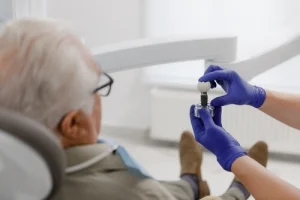
- Keep the implant site clean and free from food debris.
- Brush gently with a soft-bristled toothbrush.
- Use an alcohol-free mouth rinse to maintain oral hygiene.
- Refrain from strenuous physical activity for several days following implant surgery.
- Contact your dentist immediately if you notice persistent pain, swelling, or loosening of the implant.
If detected early, most minor issues can be corrected without affecting the final outcome.
The Connection Between Healing and Oral Health
Your dental implant healing journey doesn’t just affect the new tooth. It impacts your overall dental health. When an implant heals properly, it prevents neighbouring surrounding teeth from shifting, preserves your jawbone, and restores chewing function.
In contrast, untreated missing teeth can lead to bone loss, bite imbalance, and strain on other teeth. That’s why following through with your dental implant treatment plan and proper care is essential for long-term oral wellbeing.
How Long Does Complete Healing Take
On average, the full dental implant recovery period, from surgery to crown placement, can take anywhere between three and nine months. This varies depending on:
- The number of implants (single vs multiple teeth)
- Whether a bone graft or tooth extraction was performed
- Your bone density and general health
- The time needed for bone growth and gum tissue repair
While it might sound like a long process, remember that each stage supports a stable, functional, and lasting result. Rushing through any phase increases the risk of implant failure, so patience truly pays off.
Maintaining Good Oral Hygiene During Healing
Strong daily habits are the foundation of every successful dental implant treatment. To keep up good oral hygiene during your recovery period, follow these tips.
- Brush gently twice a day, avoiding direct contact with the implant site during the early stages.
- Floss carefully around adjacent teeth to prevent plaque build-up.
- Rinse with saltwater or your dentist’s recommended mouthwash.
- Schedule routine check-ups to assess the progress of your implant healing.
Keeping your mouth clean reduces bacteria, promotes proper healing, and protects both your implants and natural teeth.
What to Eat During Dental Implant Recovery
Your diet can make a major difference to your healing process. During early recovery, you should eat soft foods that require minimal chewing and don’t irritate the surgical site.
Here are some examples.
- Mashed potatoes or pumpkin
- Scrambled eggs
- Blended soups and broths
- Yoghurt or smoothies
- Cooked vegetables
- Oatmeal or porridge
Avoid hard, crunchy, or sticky foods until your dentist confirms the implant is stable. As your implant healing progresses, you can gradually reintroduce firmer textures.
When to Contact Your Dentist
While mild discomfort is normal, certain signs warrant immediate attention from your dentist. Contact your dentist if you experience.
- Persistent bleeding or swelling beyond the first few days
- Severe pain that doesn’t respond to medication
- A loose or moving implant
- Pus, fever, or signs of infection
Prompt treatment prevents complications and ensures your dental implant treatment stays on track.
Final Thoughts: Supporting a Successful Recovery
 The dental implant healing stages show just how remarkable the body’s repair process is. From the first blood clot that forms to the final dental crown placement, every phase has a purpose.
By following your dentist’s post-operative care advice, maintaining good oral hygiene, and being patient through the recovery process, you can achieve long-term success with your dental implants.
If you’re concerned about the healing time or stages after your dental implant surgery, or want to understand how to achieve a smoother recovery, book a consultation with Dr Jack Yang or call:
- Castle Hill: (02) 8806 3712
- Winston Hills: (02) 9000 1778
Note: Any surgical or invasive procedure carries risks. Before proceeding, you should seek a second opinion from an appropriately qualified health practitioner.
Resources
Mayo Clinic Staff. (2024). ‘Oral health: A window to your overall health’. Rochester, MN, 14 March. Rochester, MN: Mayo Foundation for Medical Education and Research.
https://www.mayoclinic.org/healthy-lifestyle/adult-health/in-depth/dental/art-20047475
Colgate Oral Care Center. (n.d.). ‘Soft Food Diet Options: What To Eat After Dental Treatment’. New York, NY. New York, NY: Colgate-Palmolive Company.
https://www.colgate.com/en-us/oral-health/nutrition-and-oral-health/soft-food-diet-options-what-to-eat-after-dental-treatment
Cleveland Clinic Health Essentials. (2024). ‘What To Do After Oral Surgery: Recovery and Self-Care’. Cleveland, OH, 5 July. Cleveland, OH: Cleveland Clinic.
https://health.clevelandclinic.org/post-op-recovery-oral-surgery
Krans, B. (2018). ‘Bone Graft’. New York, NY, 7 November. New York, NY: Healthline Media.
https://www.healthline.com/health/bone-graft