

Improving your smile can make a huge difference to how you look and feel. Among today’s most popular cosmetic treatments are composite bonding and veneers, both designed to enhance your teeth’s shape, colour, and overall appearance. While they might seem similar at first glance, there are several key differences between these cosmetic procedures that can influence which one best suits your needs.
This article explores composite bonding vs veneers, comparing their benefits, materials, procedures, and long-term results to help you make an informed choice.
Understanding Composite Bonding
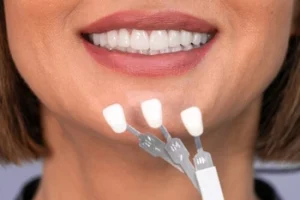 Composite bonding, sometimes referred to as teeth bonding or composite dental bonding, is a minimally invasive cosmetic treatment used to repair chips, close small gaps, or reshape misshapen teeth. The process involves applying a tooth coloured resin directly onto the tooth surface. Your dentist carefully sculpts this composite resin to match the natural tooth colour and blend seamlessly with your surrounding teeth.
The material is then hardened using a special light, bonding it securely to the tooth enamel. This type of dental work is ideal for patients looking for minor cosmetic fixes or a quick enhancement without extensive tooth preparation.
Composite bonding is commonly used to:
- Repair small chips or cracks
- Fill small gaps between teeth
- Improve tooth shape or length
- Cover discolouration
- Restore worn edges of teeth
Because this procedure preserves much of the natural enamel, it’s often considered one of the most conservative cosmetic treatments available.
What Are Veneers?
Veneers are ultra-thin shells that cover the front surfaces of teeth, improving their appearance and giving you a new smile. Dental veneers generally come in two types: porcelain veneers and composite veneers. Both can dramatically improve the shape, size, and colour of teeth, but they differ in material, application, and longevity.
Porcelain veneers are custom-made shells fabricated in a dental laboratory. They’re crafted to mimic the natural translucency of real tooth enamel and are known for their stain-resistant properties. Composite veneers, on the other hand, are made from the same tooth coloured resin used in dental bonding and can often be completed in a single visit.
Veneers are suitable for addressing:
- Discolouration that can’t be corrected with whitening
- Minor misalignment or uneven spacing
- Misshapen or irregularly sized teeth
- Worn-down or broken teeth
These thin layers of material are carefully placed over the teeth after minimal tooth preparation to ensure a comfortable, natural fit.
Composite Bonding vs Veneers: The Key Differences
When comparing bonding vs. veneers, consider the materials, procedure, and maintenance involved.
Material and Durability
Composite bonding uses composite resin, while veneers can be either porcelain or composite. Porcelain veneers tend to be stronger, more durable, and more stain-resistant than resin veneers. Composite bonding, while more affordable, may require more maintenance over time as it is more prone to staining and wear.
Procedure and Tooth Preparation
One of the main perks of composite bonding and resin veneers is that they require very little alteration to the natural tooth structure. By contrast, porcelain veneers usually require the removal of a thin layer of enamel from the tooth’s front surface to create space for the custom-made shells. Both methods are considered minimally invasive, but bonding generally preserves more of the natural teeth.
Treatment Time
Composite bonding is typically completed in just one dental appointment, making it a convenient option for those seeking quick results. Porcelain veneers, however, generally require two or more appointments; one for tooth preparation and impressions, and another to fit the veneers once they’ve been crafted in the dental laboratory.
Cost and Longevity
Composite bonding is generally more cost-effective, but it doesn’t last as long as porcelain veneers. Porcelain veneers can last 10 to 15 years or longer with proper care, while composite bonding may need touch-ups or replacement after several years due to staining or chipping.
Aesthetic Results
Porcelain veneers offer a highly natural appearance that closely resembles real tooth enamel and reflects light similarly to natural teeth. Composite resin can achieve excellent cosmetic results but may not have the same translucency or stain resistance as porcelain.
When Composite Bonding Might Be the Better Choice
Composite bonding is ideal for those seeking quick, affordable, and minimally invasive cosmetic procedures to address minor cosmetic concerns. If you have small chips, mild discolouration, or small gaps between teeth, this treatment can deliver impressive improvements without significant alteration to your natural enamel.
Because composite resin is directly applied and shaped on the tooth, your dentist can easily make adjustments on the spot. This makes it a flexible option for repairing multiple teeth or enhancing specific areas of your smile.
However, patients should maintain proper oral hygiene and attend regular dental check-ups, as composite bonding can stain more easily than porcelain. Avoiding habits like nail biting or chewing hard foods can also help maintain the restoration’s appearance.
When Veneers Might Be a Better Option
 Veneers are more suitable for those wanting long-lasting results and significant cosmetic improvements. Porcelain veneers are especially beneficial if you’re looking for a stain-resistant solution that provides a highly natural appearance. They can also correct issues such as worn enamel, uneven spacing, or irregularly shaped teeth.
The process involves slightly reshaping the natural teeth to accommodate the thin shells, which are then bonded securely to the tooth surface. Once placed, veneers are strong, durable, and designed to mimic the look and feel of natural teeth.
Patients with good oral health and strong tooth structure are typically excellent candidates for veneers. Proper care, including regular brushing, flossing, and dental checkups, can help veneers last for many years.
Maintenance Tips for Composite Bonding and Veneers
Regardless of whether you choose bonding and veneers, maintaining good oral hygiene is essential. Here are some simple habits to preserve your new smile:
- Brush your teeth twice daily using fluoride toothpaste and a soft-bristle toothbrush
- Floss each day to eliminate plaque buildup and trapped food particles.
- Avoid biting into hard foods such as ice or nuts
- Refrain from habits like pen chewing or nail biting
- Visit your dentist on a regular basis for professional cleaning and ongoing assessment
With proper care, both treatments can maintain their natural colour and enhance your smile for years.
Making the Right Choice for Your Smile
 Choosing between composite bonding vs veneers ultimately depends on your goals, budget, and dental health. If you’re looking for an affordable, quick fix for minor imperfections, composite bonding offers a suitable solution. For more durable, stain-resistant, and natural-looking results, porcelain veneers may be worth the investment.
A skilled dentist will evaluate your tooth enamel, bite alignment, and overall oral health to decide on the most suitable treatment plan. Working together, you can achieve a natural appearance and a healthy, confident smile that complements your features and supports your long-term dental wellbeing.
Final Thoughts
When considering composite bonding vs veneers, understanding your cosmetic concerns and discussing them with your dentist is the key to a successful outcome. Both treatments can improve your natural tooth structure and restore harmony to your smile. With the right guidance and proper care, your new smile can look and feel completely natural for many years.
If you’re thinking about getting veneers, schedule an initial consultation with Dr Jack at (02) 9000 1778 or (02) 8806 3712 to discuss the most suitable treatment plan for your new smile.
References
Colgate-Palmolive Company. (n.d.). What is good oral hygiene? Retrieved from https://www.colgate.com/en-ph/oral-health/adult-oral-care/what-is-good-oral-hygiene
ScienceDirect. (n.d.). Dental composites – An overview. In Topics in Medicine and Dentistry. Retrieved from https://www.sciencedirect.com/topics/medicine-and-dentistry/dental-composite
Cleveland Clinic. (2022, July 18). Veneers: What are dental veneers? Cost, procedure & advantages. Retrieved from https://my.clevelandclinic.org/health/treatments/23522-dental-veneers